Expert Tips to Computer Recycling Houston
From Trash to Treasure: Uncover the Concealed Value in Electronics Recycling
Electronics reclamation is a critical process that converts discarded devices into valuable resources. It addresses the growing issue of e-waste while reclaiming precious materials. This practice not only protects the environment but also stimulates local economies. As communities seek sustainable solutions, the hidden value in old electronics becomes increasingly apparent. What exists beneath the surface of these discarded items, and how can they be turned into opportunities for a improved future?
The Ecological Imprint of E-Waste
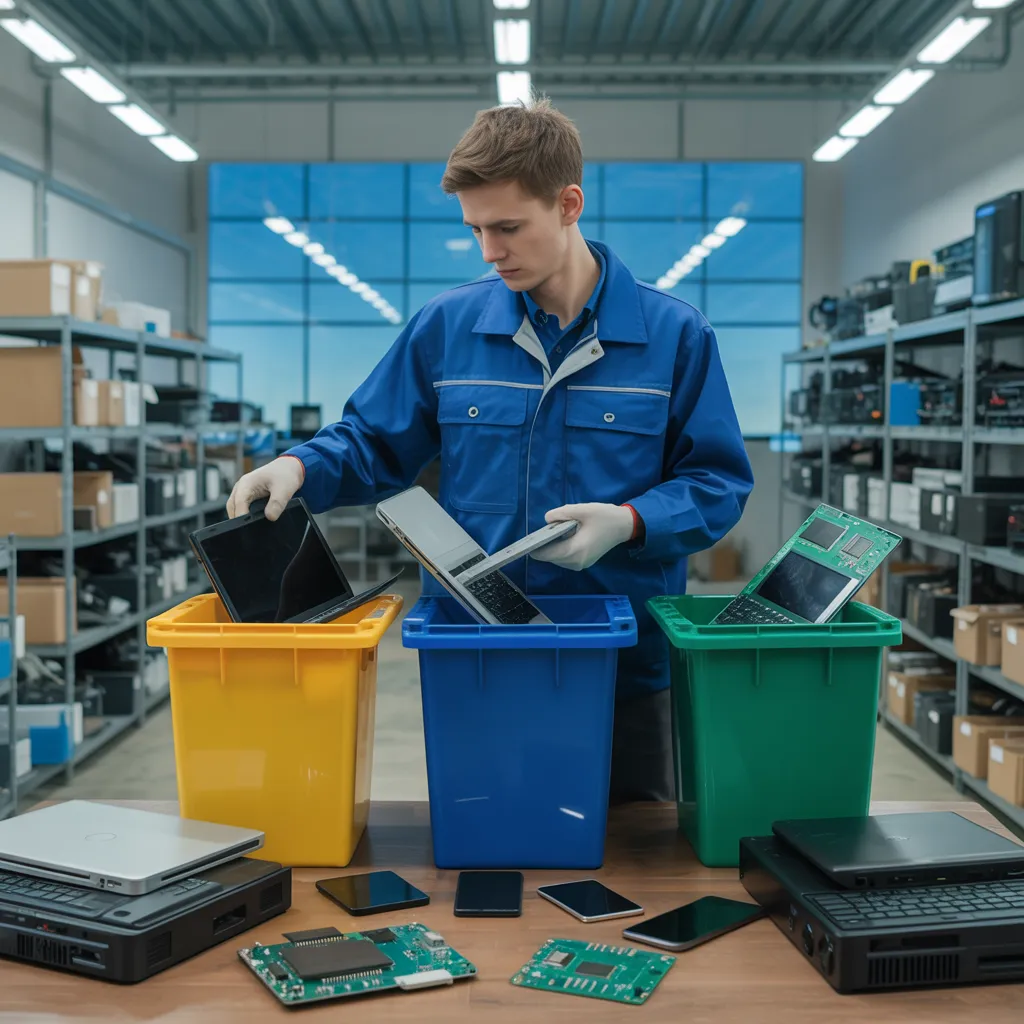
As e-waste accumulates globally, its environmental impact becomes increasingly pronounced. Abandoned electronic devices often hold hazardous materials like lead, mercury, and cadmium, which can seep through soil and water systems, posing major threats to ecosystems and human health. The improper disposal of e-waste contributes to pollution, affecting air quality and polluting local water supplies. Furthermore, the incineration of electronic waste releases toxic emissions, further exacerbating environmental degradation.
Landfills overflowing with e-waste generate long-term ecological problems, as these materials can take centuries to decompose. The increasing amount of e-waste not only threatens biodiversity but also depletes natural resources as more mining is required for new materials. Responsible recycling practices can reduce these effects, allowing for safer disposal and resource recovery. As awareness of these impacts grows, the need for effective e-waste management becomes essential for a sustainable future.
What Precious Substances Are Located in Your Aged Electronics?
Antique electronics hold a bounty of important resources, often neglected by consumers. Products such as smartphones, laptops, and televisions house precious metals like gold, silver, and palladium, which are crucial for circuit boards and connectors. Moreover, copper wiring, embedded in many devices, offers substantial monetary value due to its conductivity and necessity in various industries.
Rare earth elements, comprising neodymium and dysprosium, are necessary for potent magnetic materials in speakers and hard drives, boosting their high market worth. Additionally, batteries in electronic devices often include lithium, cobalt, and nickel—materials important for energy storage and electric vehicle production.
Understanding How Electronics Recycling Operates
Electronics recycling requires a methodical technique to managing discarded devices. The procedure begins with the gathering and delivery of used electronics, preceded by disassembly and classifying to separate components. Ultimately, valuable materials are extracted for reuse, contributing to resource preservation and ecological protection.
Collection and Movement System
The gathering and movement process of electronics recycling starts with community engagement and awareness campaigns that encourage consumers to correctly get rid of their old equipment. Local governments, non-profits, and recycling organizations often collaborate to establish gathering sites, such as designated drop-off locations or planned pickup occasions. These programs aim to provide easy and handy recycling options for the public.
Once collected, the electronics are securely transported to certified recycling facilities, establishing that they are operated with safety to minimize environmental impact. Efficient logistics are fundamental, as they help maximize the flow of materials while decreasing carbon footprints. Proper documentation is included with the transported items to trace their route, upholding accountability throughout the recycling process.
Taking Apart and Sorting Approaches
Upon arrival at recycling facilities, collected devices undergo a thorough dismantling process. Skilled technicians carefully disassemble electronics, separating components such as circuit boards, batteries, and plastics. This process often involves the use of advanced equipment to guarantee safety and efficiency. Each component is examined and sorted based on composition and potential for repurposing or recycling.
Manual disassembly is supported by mechanical equipment, which helps in organizing larger amounts of devices. As the components are categorized, dangerous substances, such as lead or mercury, are isolated for safe disposal. This systematic method ensures that valuable materials are preserved while decreasing environmental hazards, establishing the foundation for the next stage of the recycling process.
Retrieval of Important Resources
Recovering valuable materials from disassembled devices involves a collection of exact procedures designed to optimize material recovery. After sorting, components are exposed to mechanical and chemical treatments that divide metals, plastics, and glass. Techniques such as grinding and fragmentation decompose materials into smaller pieces, enabling the extraction of precious metals like gold, silver, and copper. Advanced methods, such as hydrometallurgy and pyrometallurgy, are utilized to recover these metals from their ores. Additionally, uncommon earth materials, essential for modern technology, are also extracted. By optimizing these recovery processes, waste management centers can greatly reduce waste and provide vital materials back into the manufacturing cycle. This not only conserves environmental materials but also encourages a green economic model.
Why Reprocessing Tech Equipment Helps Your Local Community
Electronics recycling delivers significant benefits to local communities. It can accelerate economic growth by establishing new business opportunities and supporting job creation in the recycling sector. Additionally, improved ecological conditions results from minimizing e-waste, supporting both residents and local ecosystems.
Economic Development Possibilities
Transforming electronic waste into precious materials enables significant economic growth for grassroots areas. Through forming recycling programs, groups can establish career opportunities in collection, processing, and sales of recovered materials. These ventures not only reduce rates of joblessness but also encourage new skills development in the working population. Local businesses can thrive as they exploit the demand for reclaimed materials, which are increasingly sought after in production domains. Beyond this, as districts champion electronics recycling, they can secure investment from renewable energy companies, enhancing sectoral diversity. The increased activity in recycling initiatives can galvanize area economies, inspiring inhabitants to participate actively, thereby establishing a ethos of environmental responsibility while catalyzing development and creative solutions.
Environmental Health Advancement
Electronics reuse plays a crucial role in enhancing environmental health within local communities. Proper disposal of electronic waste prevents harmful substances like lead, mercury, and cadmium from contaminating soil and water sources. This reduces the risk of toxic exposure to residents, thereby promoting overall community well-being. Furthermore, recycling programs can help reduce landfill overflow, conserving valuable land and lowering greenhouse gas emissions resulting from waste decomposition. Effective recycling efforts encourage community engagement, raising awareness of environmental problems and supporting sustainable practices. As communities implement these programs, they benefit from cleaner surroundings and improved public health, ultimately creating a more vibrant environment. The aggregate effects of these actions significantly aid to the long-term sustainability and resilience of local ecosystems.
Job Development Capability
Utilizing the strength of electronics recycling can significantly boost local economies by creating job opportunities across several sectors. As communities participate in recycling programs, numerous positions come about, covering collection, transportation, sorting, and processing of electronic waste. Local businesses benefit as the demand for recycling services grows, stimulating entrepreneurship and innovation. Moreover, specialized training programs can provide workers with valuable skills, enhancing employability in a thriving green economy. Additionally, establishing recycling facilities can lead to permanent jobs, ensuring long-term employment stability. By investing in electronics recycling, communities not only cut waste but also fuel economic growth, ultimately elevating the quality of life for residents while promoting sustainability.
Where Might You Uncover Conscientious Recycling Programs?
How can consumers and enterprises verify their old electronics are recycled properly? One viable method is to locate approved e-waste recovery programs. Organizations such as the e-Stewards and R2 (Responsible Recycling) accreditation ensure that recyclers commit to rigorous environmental and ethical guidelines. Many municipalities also give identified drop-off locations for electronic waste, often consult article providing complimentary or inexpensive disposal services.
Additionally, big retailers like Best Buy and Staples have implemented take-back programs, allowing consumers to give back unwanted electronics safely. Nonprofit organizations and local charities may also accept functional devices, promoting reuse rather than recycling.
Ultimately, online networks can match users with responsible recyclers, assuring proper disposal. By using these options, both consumers and organizations can assist in a green future while decreasing the environmental impact of discarded electronics.
Ingenious Ideas for Repurposing Your Used Gadgets
Repurposing old electronics presents a inventive way to cut down on waste while revitalizing dormant devices. A lot of people have uncovered ingenious uses for aging gadgets. For example, old smartphones can be adapted into standalone music players or home monitoring systems, offering features without the need for new purchases. In the same way, outdated laptops can act as media hubs or digital image displays, presenting cherished memories.
An additional method involves employing parts from damaged devices. Circuit boards can be transformed into unique wall art, while old speakers can be adapted into stylish Bluetooth speakers. Additionally, LED screens from defunct monitors can be leveraged as backlit displays for custom projects.
These creative strategies not only lessen environmental harm but also cultivate a feeling of achievement. By approaching problems creatively, individuals can locate practical purposes for their outdated electronics, transforming discarded items into beneficial resources.
Commonly Inquired Answers
May I process Electronics That Are damaged or Non-Functional?
Certainly, broken or non-functional electronics can often be recycled. Multiple centers receive these items, ensuring that valuable materials are retrieved and dangerous materials are safely disposed of, advancing environmental responsibility and sustainable resource management.
Where Does My Data Go During the Reclamation Process?
During the recycling process, data is typically destroyed through methods like fragmentation or degaussing. Recyclers guarantee that sensitive information is unrecoverable, protecting people from potential identity fraud or security breaches associated with discarded electronics.
Are There Costs Associated With Recycling Electronics?
Yes, there can be fees associated with recycling electronics, determined by the facility and the type of device. Some organizations may charge for given items, while others extend gratis disposal services to inspire ethical disposal.
What Steps Should I Take to Safely Readie My Electronics for Disposal?
To safely prepare tech devices for environmental disposal, one should eliminate confidential information, disconnect all cables, and package items securely. Additionally, reaching out to local recycling centers for specific preparation guidelines is wise to verify proper handling.
Which Accreditations Should I Look for in Recycling Programs?
When evaluating recycling programs, one should pursue designations such as R2, e-Stewards, and ISO 14001. These validate adherence to environmental standards, ethical practices, and safe processing of electronic waste for ecological preservation and safeguarding.